
Why Drumming Lights Up the Aging Brain
Dec 09, 2025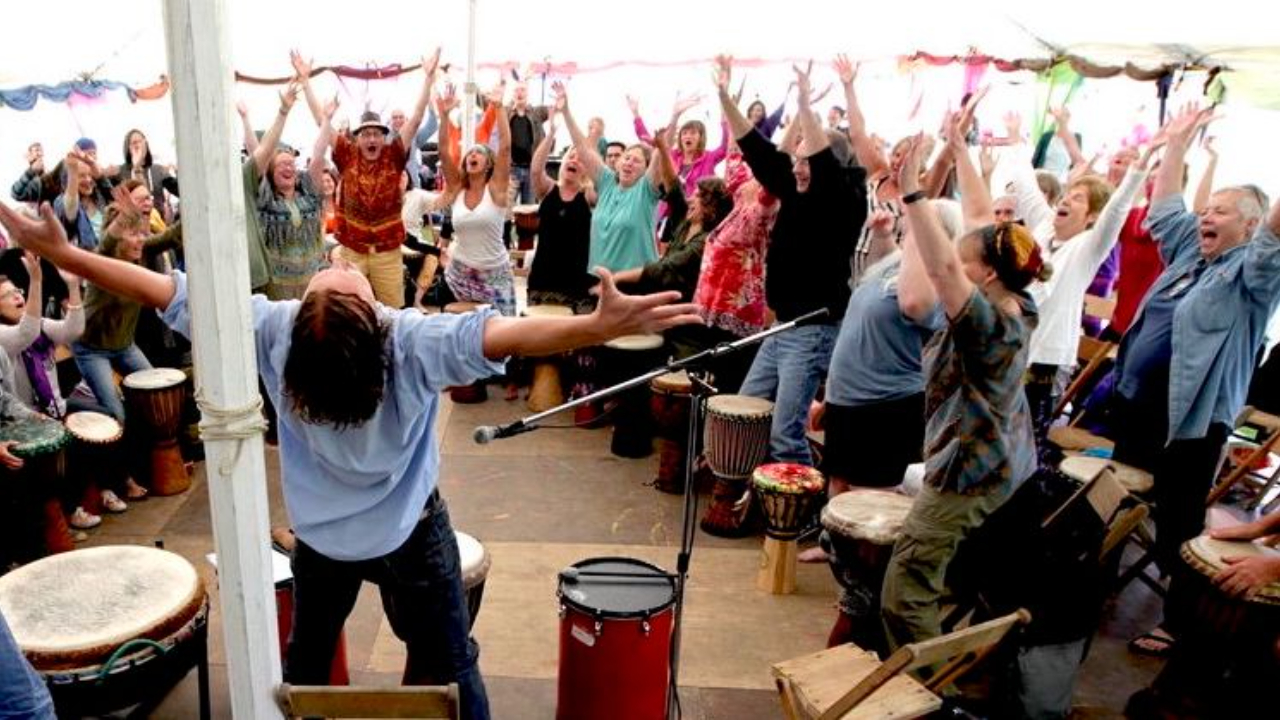
Most people expect their brain to slow down with age.
But something unexpected happens when you begin drumming later in life.
Your brain doesn’t quiet.
It lights up.
When you play a steady rhythm, timing networks in the auditory and motor systems begin syncing with the beat through neural entrainment [1].
This synchrony pushes multiple regions to fire together—auditory areas, movement centers, attention networks, and emotional circuits.
That kind of whole-brain activation is rare in everyday life.
For adults over 50, it’s gold.
Why Rhythm Wakes Up an Aging Mind
Research in rhythm and motor learning shows that drumming strengthens connections between sensory and motor pathways, improving coordination and timing accuracy [2].
These pathways tend to dull with age, but rhythmic repetition reactivates them.
Every strike is a tiny dose of cognitive training.
Then something else happens—your attention sharpens.
Predictable rhythmic patterns reduce cognitive load and help the brain organize incoming information more efficiently [3].
This clarity is often what people feel as “focus returning,” even if they can’t name why it’s happening.
At the same time, the reward system wakes up.
Studies on music and emotion show that steady pulse and synchronized movement increase dopamine, which boosts motivation, memory formation, and positive mood [4].
These effects matter more with age because dopamine naturally declines over time.
Rhythm brings it back online.
The Real Magic Starts When You Drum With Others
But the biggest brain boost doesn’t come from drumming alone.
It comes from drumming with other people.
When a group lands on the same beat, synchrony activates social bonding networks that reduce anxiety and increase a sense of connection [5].

You can view my current schedule of upcoming events here
Connection is one of the strongest predictors of cognitive health as we age, and rhythm delivers it without needing words or prior experience.
Even heart rhythms respond.
Studies show that group-driven pulse can help align heart-rate variability among participants, supporting healthier autonomic regulation [6].
Better autonomic balance means better stress resilience, clearer thinking, and steadier emotional states—all crucial for aging brains.
How Rhythm Supports You Over Time
Breath follows the same pattern.
Research on rhythmic breathing shows that matching breath to a steady pulse strengthens vagal tone, which supports mood stability and cognitive function [7].
These combined effects—timing, attention, movement, dopamine, synchrony, breath, and heart rhythm—create the kind of multi-system stimulation the aging brain thrives on.
It’s not about playing perfectly.
It’s about giving your brain something it loves: steady input, clear timing, shared rhythm, and full-body involvement.
In closing, here’s the snapshot to remember:
Rhythm activates the brain.
Movement strengthens neural pathways.
Synchrony boosts connection chemistry.
Breath and heart fall into healthier patterns.
And together they create a brain state where adults over 50 don’t just maintain function—they light up.
References
[1] Nozaradan, S., et al. (2012). Neural entrainment to rhythm. Journal of Neuroscience.
[2] Thaut, M. (2021). Rhythm, brain, and motor control.
[3] Janata, P., et al. (2012). Rhythm and cognitive load. Frontiers in Psychology.
[4] Koelsch, S. (2014). Music and emotion systems. Nature Reviews Neuroscience.
[5] Tarr, B., Launay, J., & Dunbar, R. (2014). Synchrony and bonding. Biology Letters.
[6] Vickhoff, B., et al. (2013). Heart-rate synchrony in group rhythm. Frontiers in Psychology.
[7] Meyer, M., et al. (2019). Rhythm, breath, and regulation. Frontiers in Human Neuroscience.
Author
